Understanding Oncology Research Platforms: A Guide for Clinicians


Introduction to Oncology Research Platforms
Oncology research platforms are critical tools designed to assist clinicians in understanding and combating cancer. These platforms facilitate the management, analysis, and interpretation of complex oncology data, enabling healthcare professionals to make informed decisions. As the field of cancer research continues to evolve, these platforms are becoming increasingly sophisticated, offering a wide range of functionalities to support clinical practice.
Understanding the full potential of oncology research platforms can significantly enhance a clinician's ability to contribute to cancer research and patient care. By effectively utilizing these platforms, clinicians can stay updated with the latest advancements and provide better treatment outcomes for patients.
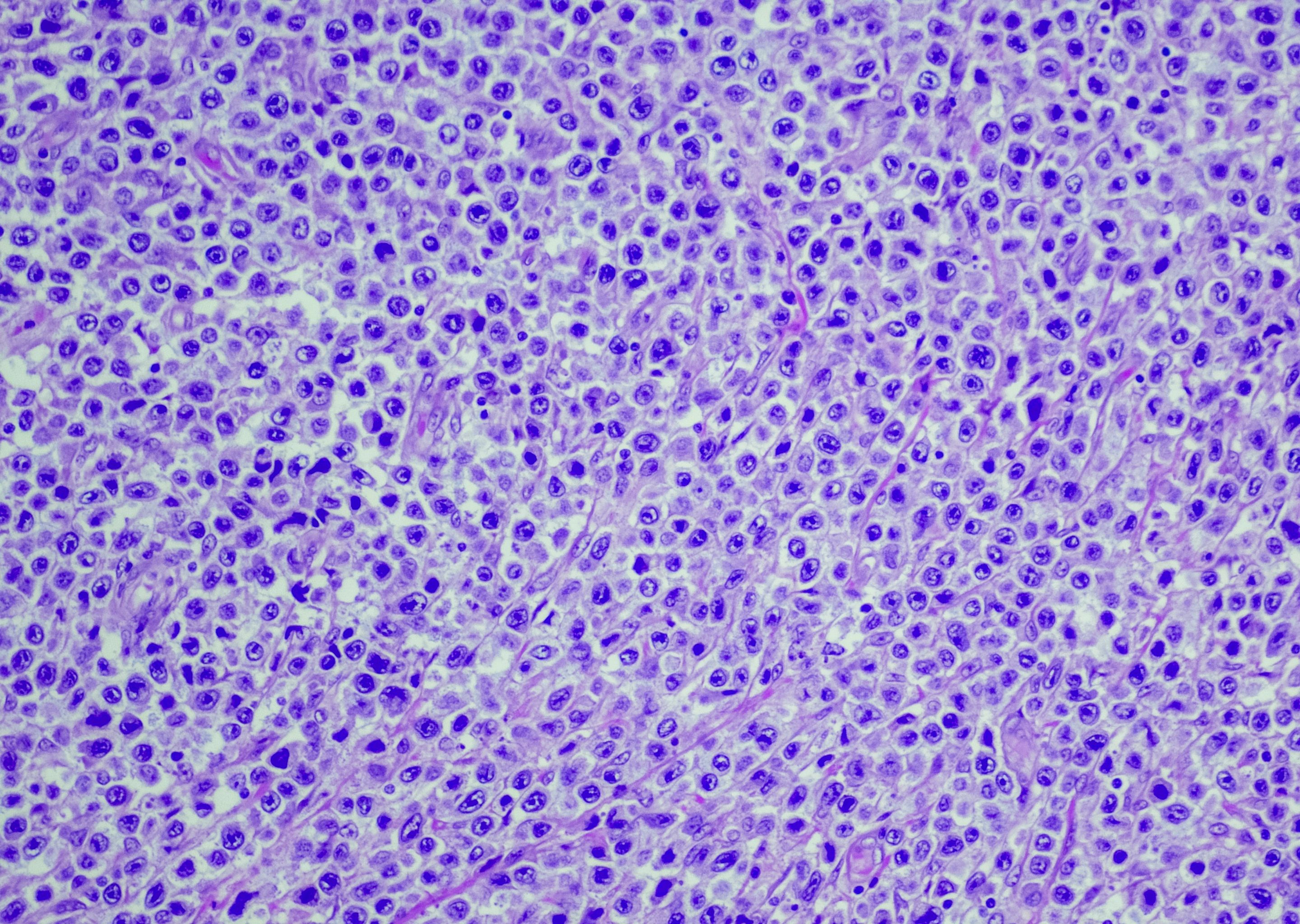
Key Features of Oncology Research Platforms
Oncology research platforms offer a variety of features that are vital for clinicians. Some of the most common features include:
- Data Integration: These platforms can integrate data from multiple sources, such as electronic health records, clinical trials, and genomic databases, providing a comprehensive view of patient information.
- Advanced Analytics: With powerful analytics tools, clinicians can identify patterns and trends in cancer data that may not be immediately apparent through traditional methods.
- Collaboration Tools: Many platforms offer tools that facilitate collaboration among researchers, allowing for the sharing of insights and findings.
By leveraging these features, clinicians can streamline their research processes and improve their understanding of cancer biology and treatment efficacy.
The Role of Artificial Intelligence in Oncology Research
Artificial intelligence (AI) plays a pivotal role in modern oncology research platforms. AI algorithms can process large datasets at incredible speeds, uncovering patterns and insights that would be impossible for humans to detect manually. This capability is particularly beneficial in identifying potential biomarkers and predicting treatment responses.
AI-driven platforms can also personalize cancer treatments by analyzing individual patient data and recommending tailored therapeutic approaches. This personalized medicine approach is revolutionizing oncology by improving treatment outcomes and reducing adverse effects.
Challenges in Utilizing Research Platforms
Despite their advantages, there are challenges associated with using oncology research platforms. One significant challenge is the integration of diverse data types, which can be complex and time-consuming. Ensuring data accuracy and consistency across different sources is crucial for reliable analysis.
Another challenge is the need for adequate training and support for clinicians to effectively use these platforms. As technology continues to advance, ongoing education is essential to ensure that healthcare professionals can fully leverage the capabilities of these tools.

Best Practices for Clinicians
To maximize the benefits of oncology research platforms, clinicians should consider the following best practices:
- Stay Informed: Regularly update your knowledge about advancements in oncology research technologies to remain at the forefront of the field.
- Collaborate Actively: Engage with other researchers and clinicians to share insights and experiences, fostering a collaborative research environment.
- Invest in Training: Participate in training sessions and workshops to improve your proficiency in using these platforms efficiently.
By adopting these best practices, clinicians can enhance their research capabilities and contribute more effectively to the fight against cancer.
The Future of Oncology Research Platforms
The future of oncology research platforms looks promising, with continued advancements in technology expected to further transform cancer care. Emerging trends include the integration of real-time data analytics and machine learning algorithms that can provide more precise and actionable insights for clinicians.
Moreover, as these platforms become more user-friendly and accessible, a broader range of healthcare professionals will be able to participate in oncology research, accelerating progress in the field. Investing in these technologies today will pave the way for a brighter future in cancer treatment and research.

In conclusion, understanding oncology research platforms is crucial for clinicians striving to improve patient outcomes and contribute to cancer research. By embracing technological advancements and overcoming associated challenges, healthcare professionals can significantly impact the fight against cancer.