The Role of Genomic Data in Precision Oncology: An Expert's Insight


Understanding Genomic Data in Cancer Treatment
Precision oncology represents a groundbreaking approach to cancer treatment, leveraging genomic data to tailor therapies to individual patients. By analyzing a tumor's genetic makeup, clinicians can identify specific mutations and biomarkers that drive cancer growth. This information allows for more targeted and effective treatment plans.
How Genomic Data Influences Treatment Decisions
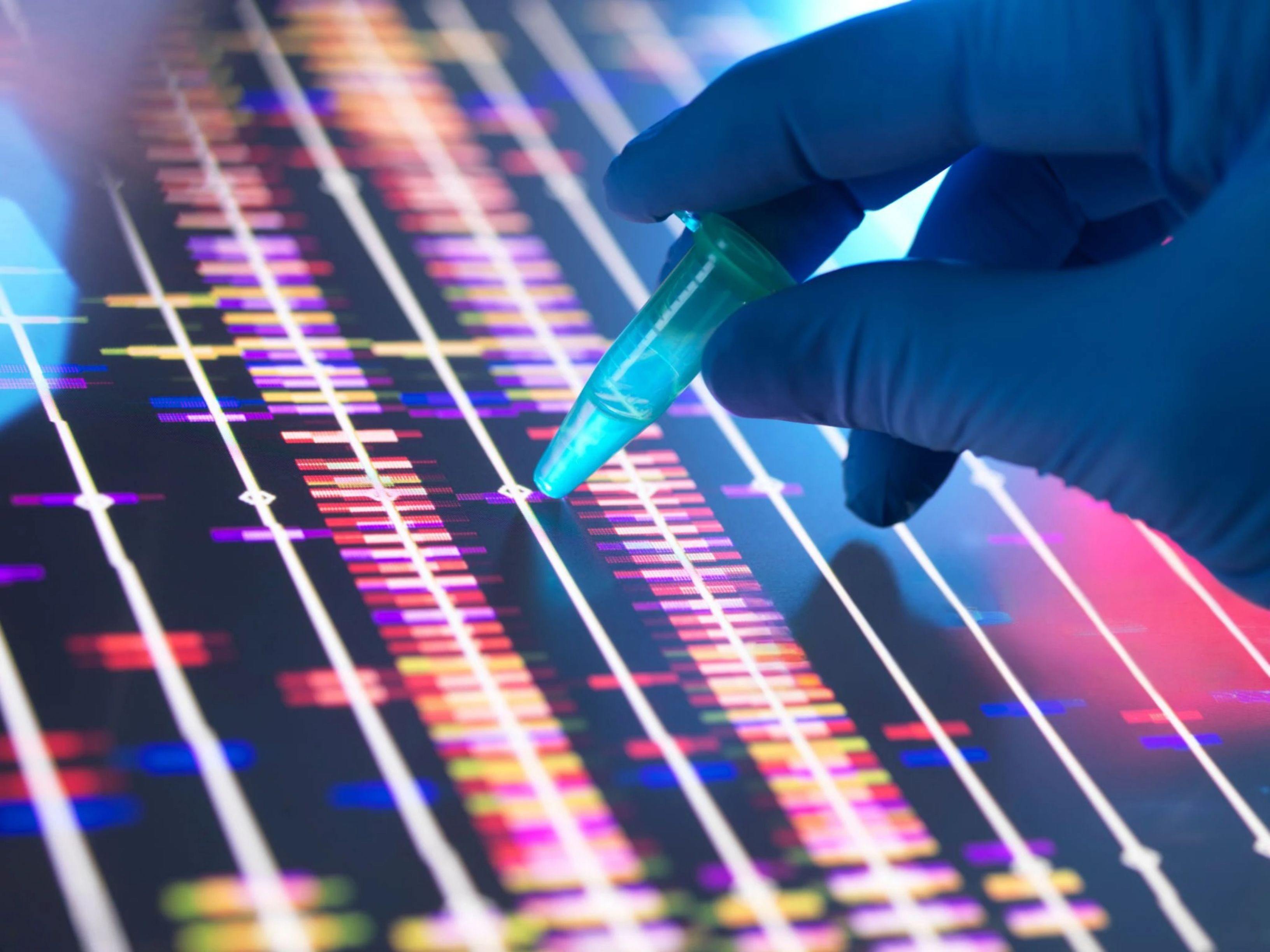
Genomic data provides a detailed map of the genetic alterations present in a cancer patient’s tumor. This data is crucial in determining which targeted therapies or immunotherapies are most likely to be effective. For instance, if a patient's tumor harbors a mutation in the EGFR gene, therapies targeting this mutation can be employed, potentially improving outcomes and minimizing unnecessary side effects.
Moreover, genomic data can help identify patients who might benefit from clinical trials, offering access to cutting-edge treatments. This personalized approach not only enhances the efficacy of cancer treatments but also contributes to the broader understanding of cancer biology.
The Process of Genomic Sequencing
Genomic sequencing involves extracting DNA from a tumor sample and using advanced technologies to sequence the genetic material. This process can reveal a wealth of information about the genetic aberrations driving cancer growth. The resulting data is then analyzed using bioinformatics tools to identify actionable mutations.
Once the genomic profile is established, oncologists can match patients with therapies specifically designed to target these genetic changes. This approach marks a significant shift from traditional one-size-fits-all cancer treatments, emphasizing the unique genetic landscape of each patient's tumor.
Challenges and Considerations
Despite the promise of precision oncology, several challenges remain. One significant hurdle is the sheer complexity of genomic data analysis. Interpreting vast amounts of genetic information requires sophisticated computational tools and expertise. Additionally, not all mutations have corresponding targeted therapies, and new mutations can emerge during treatment, necessitating ongoing monitoring and adaptation of treatment plans.
Another consideration is accessibility. While genomic testing is becoming more widespread, it is not yet universally available or affordable for all patients. Ensuring equitable access to precision oncology services is essential for maximizing its impact on cancer care.
The Future of Precision Oncology
The field of precision oncology is rapidly evolving, with continuous advancements in genomic technologies and data analysis methods. As our understanding of cancer genomics deepens, we can expect even more precise and personalized treatment strategies. This evolution holds promise not only for improving patient outcomes but also for developing preventive strategies to identify individuals at risk before cancer develops.

Collaborative efforts between researchers, clinicians, and healthcare providers are vital in driving innovation and overcoming current limitations. By harnessing the power of genomic data, precision oncology has the potential to transform cancer care as we know it, offering hope to countless patients worldwide.