The Role of Genomic Data in Precision Oncology: A Deep Dive


Understanding Precision Oncology
Precision oncology represents a groundbreaking approach in cancer treatment, focusing on the customization of healthcare based on the individual genetic profiles of patients. This innovative field leverages genomic data to tailor treatments, ensuring they are as effective as possible for each unique case. By understanding the specific genetic mutations driving a patient’s cancer, healthcare providers can select the most appropriate therapies, potentially improving outcomes and reducing unnecessary side effects.
The role of genomic data in precision oncology cannot be overstated. It serves as the foundation for identifying actionable mutations and personalizing treatment plans that target these specific changes within cancer cells. This targeted approach marks a significant shift from traditional chemotherapy, which often affects both healthy and cancerous cells.
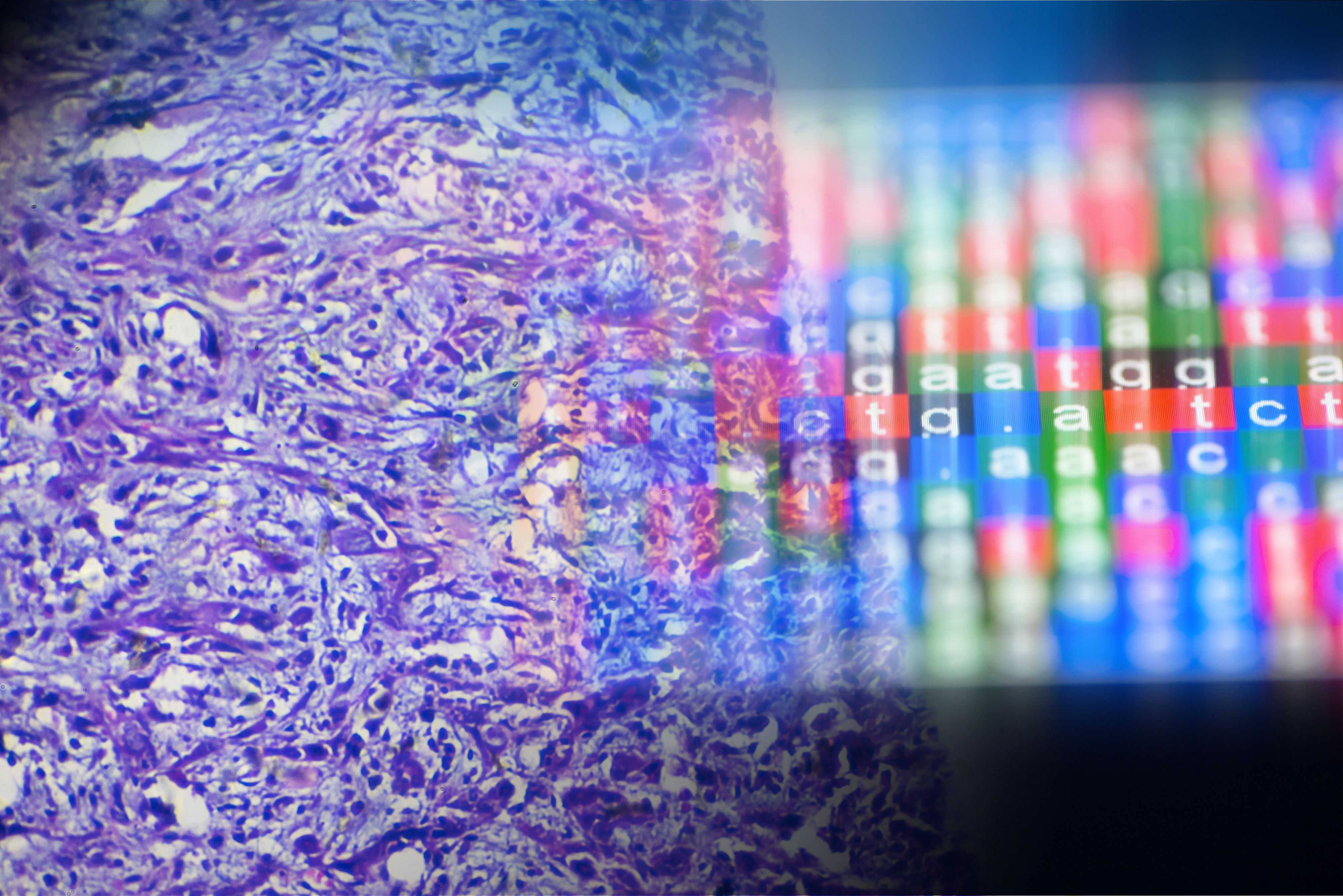
The Collection and Analysis of Genomic Data
Collecting genomic data involves sequencing a patient's DNA to identify genetic mutations. This process is facilitated by advanced technologies like next-generation sequencing (NGS), which allows for rapid and comprehensive analysis of genetic material. The data obtained is then analyzed to pinpoint mutations that may be driving the cancer's growth.
Once these mutations are identified, they are matched with targeted therapies that are designed to combat the specific genetic abnormalities present in the tumor. This precision in treatment selection is what sets precision oncology apart, offering a more focused approach compared to traditional treatments.
Benefits of Precision Oncology
The benefits of utilizing genomic data in precision oncology are numerous. Firstly, it allows for more accurate diagnoses and predictions regarding disease progression. Patients benefit from treatments that are specifically chosen based on their unique genetic makeup, potentially leading to better outcomes and fewer side effects.
Moreover, precision oncology can contribute to the development of new drugs and therapies. By understanding the genetic basis of cancer, researchers can identify new targets for treatment, leading to innovative therapies that can benefit future patients.

Challenges in Implementing Precision Oncology
Despite its promising potential, precision oncology faces several challenges. One of the primary hurdles is the complexity of cancer as a disease. Each tumor presents a unique set of mutations, and not all mutations have corresponding targeted therapies. This makes it difficult to develop a one-size-fits-all approach even within precision medicine.
Additionally, the cost of genomic sequencing and targeted therapies can be prohibitive for many patients. The healthcare system must adapt to make these advanced treatments more accessible, ensuring that all patients can benefit from personalized cancer care.
The Future of Precision Oncology
The future of precision oncology looks bright as technology continues to advance. With ongoing research and development, new targeted therapies are constantly being discovered, offering hope for more effective and less toxic cancer treatments. As genomic data becomes more integrated into clinical practice, the potential for improved patient outcomes continues to grow.

Furthermore, collaborations between research institutions, pharmaceutical companies, and healthcare providers will be crucial in driving the field forward. By working together, these stakeholders can overcome existing challenges and ensure that precision oncology becomes a standard part of cancer care worldwide.
In conclusion, genomic data plays a pivotal role in the evolution of precision oncology, providing the insights necessary for personalized treatment strategies. As we continue to unravel the complexities of the human genome, the prospects for more effective cancer treatments become increasingly promising.