The Future of Genomic Data in Healthcare: What It Means for Precision Oncology


Understanding Genomic Data
The integration of genomic data in healthcare is revolutionizing how we approach diseases, especially cancer. The ability to decode the human genome has paved the way for personalized medicine, where treatments are tailored to individual genetic profiles. This innovation is particularly impactful in the field of precision oncology, offering new hope for cancer patients.
Genomic data provides a comprehensive understanding of the genetic mutations that drive cancer. By analyzing a patient's DNA, healthcare providers can identify specific mutations and develop targeted therapies. This method not only enhances treatment efficacy but also minimizes side effects, as therapies are directly aimed at the cancer's unique genetic makeup.

The Role of Precision Oncology
Precision oncology is the application of genomic data in designing cancer treatments. It marks a shift from the traditional "one-size-fits-all" approach to a more personalized strategy. This shift is crucial as it considers the genetic variability among patients, ensuring more accurate and effective treatment plans.
One of the significant benefits of precision oncology is its potential to improve survival rates. By targeting specific genetic mutations, therapies can be more effective in eradicating cancer cells. Moreover, this approach reduces the likelihood of recurrence, as treatments are tailored to prevent the cancer from returning.

Advancements in Technology
Recent advancements in sequencing technologies have made genomic data more accessible and affordable. Techniques such as next-generation sequencing (NGS) allow for rapid and comprehensive analysis of a patient's genome. This progress is crucial in facilitating the widespread adoption of precision oncology in clinical settings.
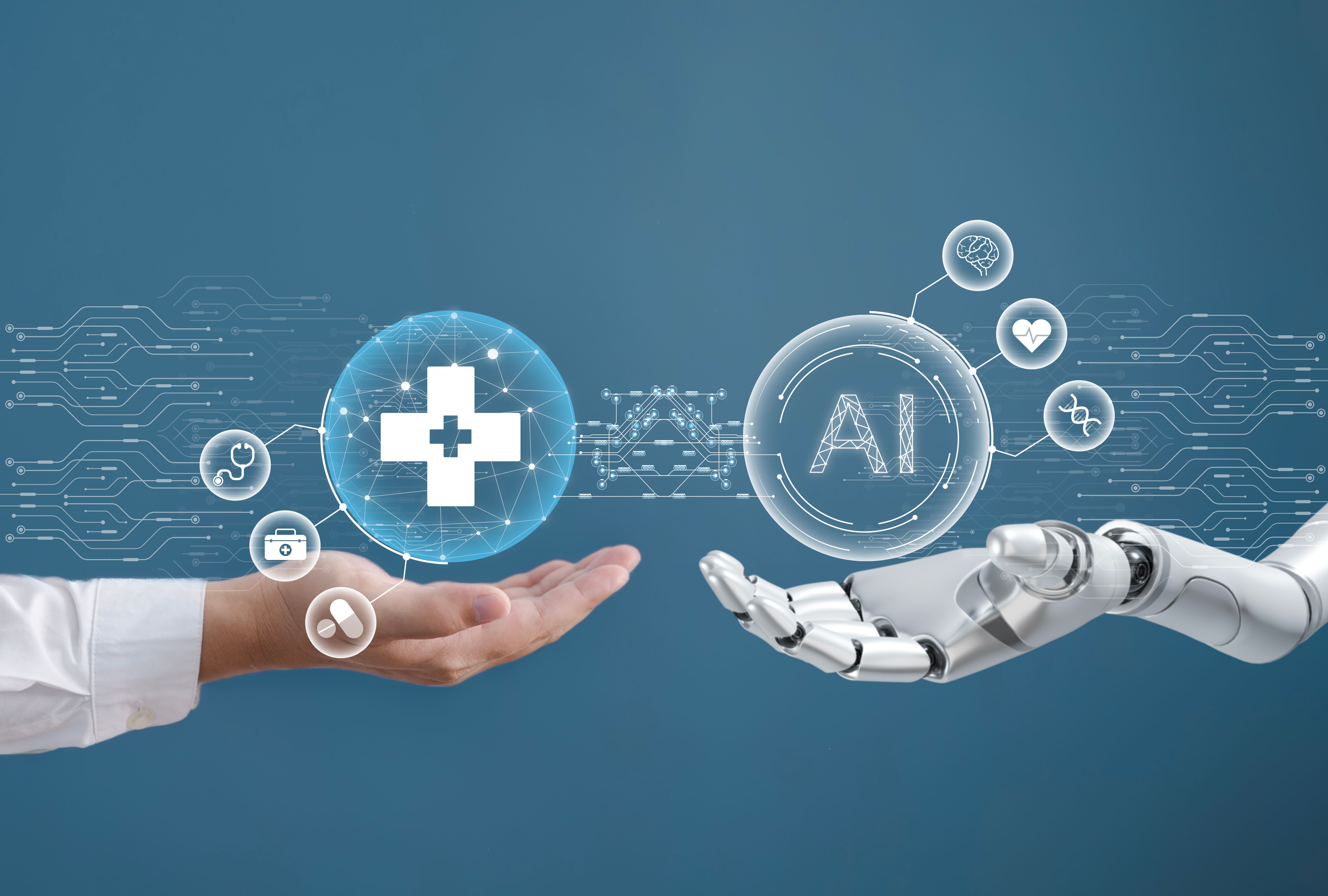
In addition, the integration of artificial intelligence and machine learning in genomic analysis is enhancing the accuracy and speed of data interpretation. These technologies assist in identifying patterns and predicting treatment outcomes, further personalizing cancer care.
Challenges and Considerations
Despite its promise, the use of genomic data in healthcare comes with challenges. The ethical implications of genetic testing and data privacy are significant concerns. Ensuring that patients' genetic information is protected and used responsibly is crucial to maintaining trust and advancing the field.
Moreover, the complexity of genomic data requires specialized knowledge and infrastructure. Healthcare providers must be adequately trained to interpret and apply this data effectively. This need highlights the importance of continued investment in education and resources to support healthcare professionals.
The Future of Genomic Data in Healthcare
As technology continues to evolve, the role of genomic data in healthcare is expected to expand. Future developments may include more precise diagnostic tools and the ability to predict disease risk with greater accuracy. These advancements will further enhance the ability to prevent and treat cancer effectively.
The future of precision oncology looks promising, with the potential to transform cancer treatment and improve patient outcomes. As we continue to harness the power of genomic data, patients can look forward to more personalized, effective, and compassionate care.