The Future of Cancer Treatment: Integrating Genomics and Clinical Trial Data


Understanding Genomics in Cancer Treatment
The integration of genomics into cancer treatment represents a groundbreaking approach in personalized medicine. By analyzing a patient's genetic makeup, doctors can tailor treatments that specifically target the unique characteristics of the cancer. This precision not only enhances the effectiveness of therapies but also reduces the risk of adverse side effects. As more genomic data becomes available, the ability to predict and prevent cancer is becoming increasingly feasible.
The Role of Clinical Trials
Clinical trials are essential in the development of new cancer treatments. They provide the necessary data to determine the efficacy and safety of new therapies. With the integration of genomics, clinical trials are becoming more targeted and efficient. Researchers can identify patient subgroups that are more likely to respond to specific treatments, thereby accelerating the trial process and improving outcomes.
Moreover, the integration of genomic data into clinical trials helps in identifying biomarkers that predict treatment response. This allows for the development of more effective, personalized treatment plans and contributes to the ongoing evolution of cancer care.
Challenges and Opportunities
While the integration of genomics and clinical trial data offers numerous benefits, it also presents certain challenges. Data privacy and security are major concerns, as handling sensitive genetic information requires stringent safeguards. Additionally, the complexity of genomic data necessitates advanced analytical tools and expertise, which can be resource-intensive.
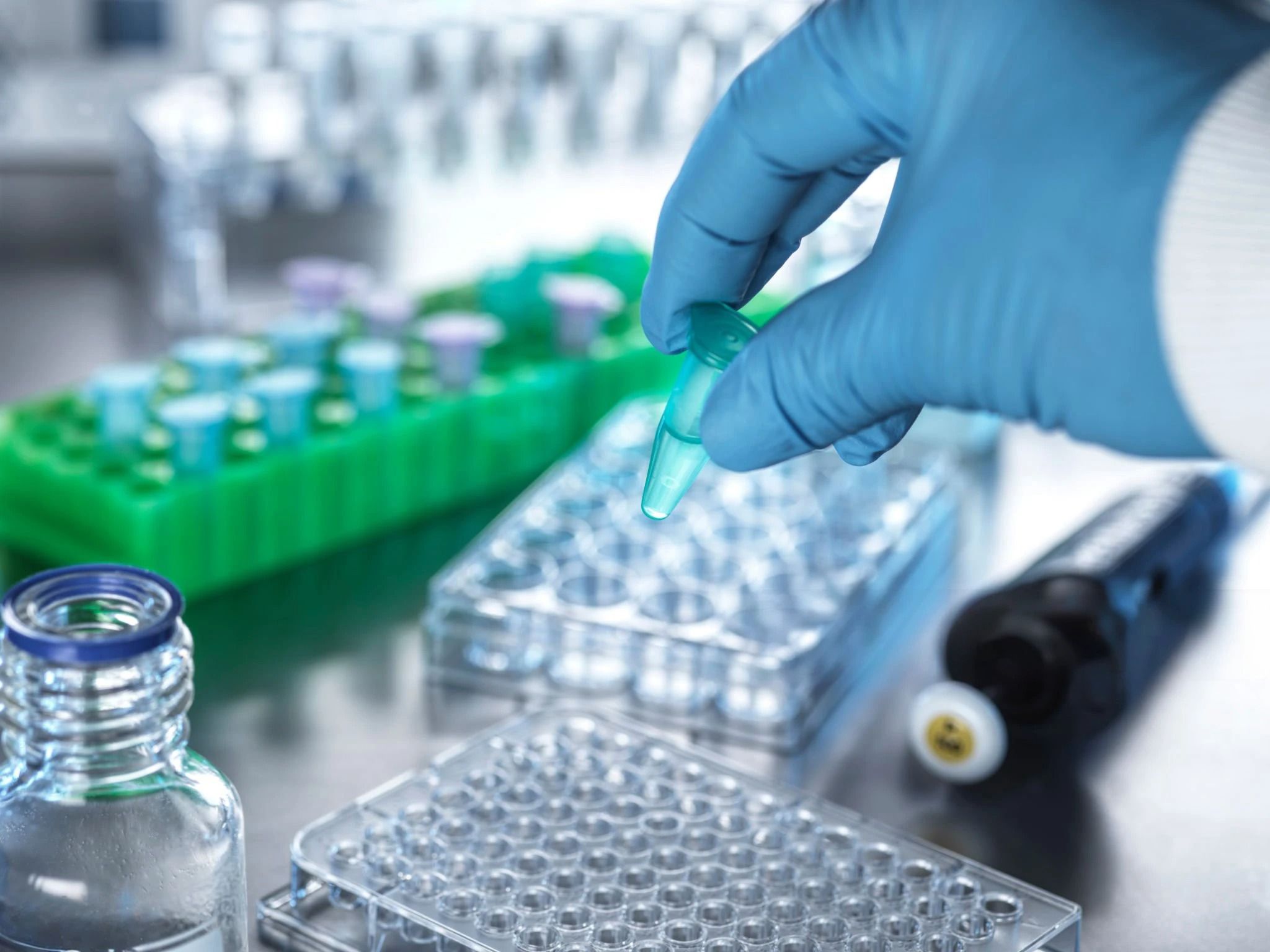
Despite these challenges, the opportunities are immense. By leveraging big data analytics and artificial intelligence, researchers can uncover patterns and insights that were previously unattainable. This not only enhances our understanding of cancer but also opens up new avenues for treatment and prevention.
The Future of Personalized Medicine
The future of cancer treatment lies in the continued integration of genomics and clinical trial data. As technology advances, we can expect even more precise and effective therapies. The ultimate goal is to transform cancer from a deadly disease into a manageable condition, with treatments tailored to the genetic profile of each patient.
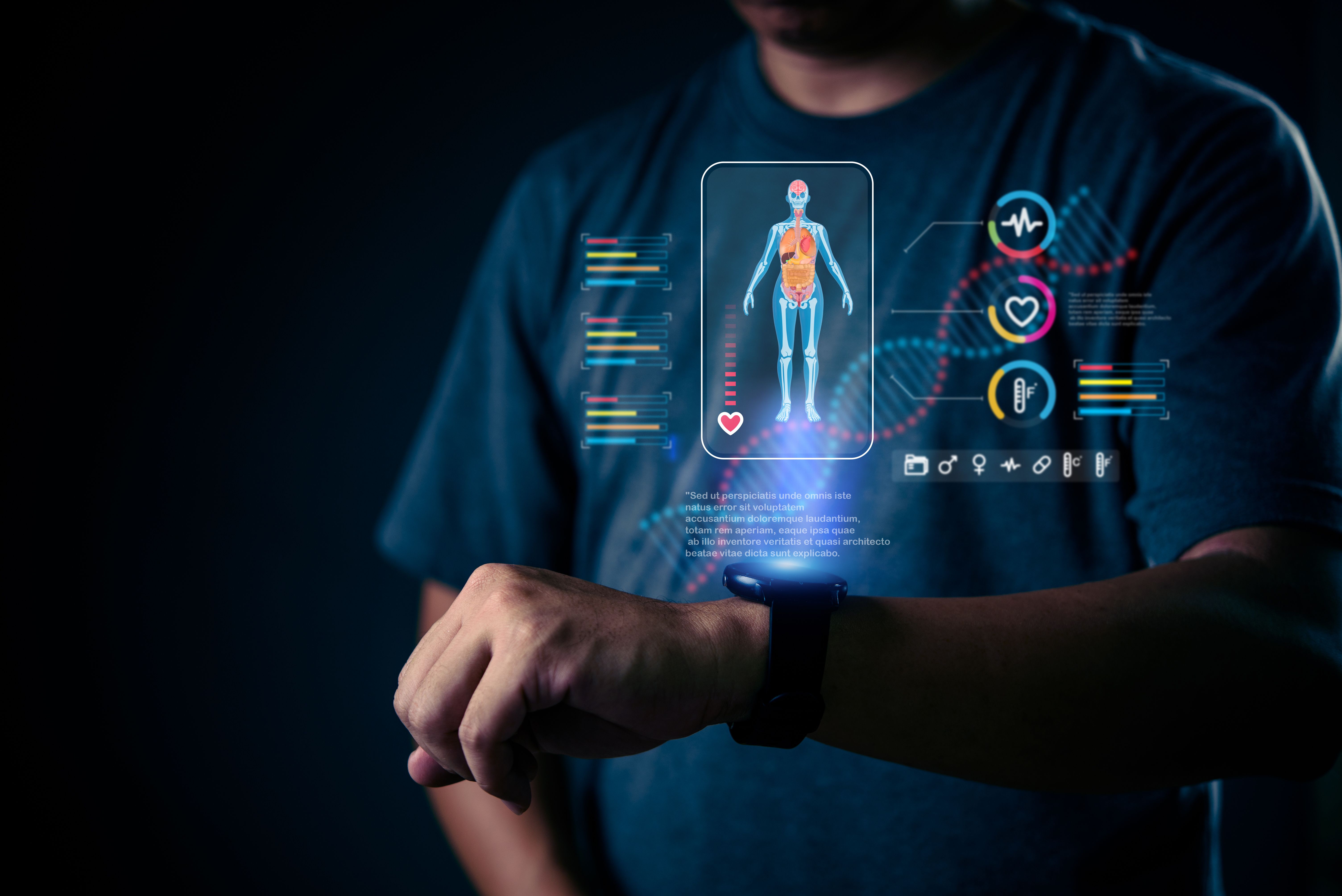
Furthermore, the collaboration between researchers, clinicians, and technology experts is crucial in driving this transformation. By working together, they can overcome existing challenges and pave the way for a new era in cancer treatment.
Conclusion
The integration of genomics and clinical trial data is revolutionizing cancer treatment, offering hope for more effective and personalized therapies. As we continue to explore this promising frontier, the potential to drastically improve patient outcomes and quality of life becomes increasingly attainable. Embracing these advancements will be pivotal in the fight against cancer, ultimately leading to a future where cancer treatment is more precise and effective than ever before.