Precision Oncology Trends: What's Shaping the Future of Cancer Care


Introduction to Precision Oncology
Precision oncology is revolutionizing the way we approach cancer treatment. This innovative field focuses on tailoring medical treatment to the individual characteristics of each patient's cancer. By leveraging advancements in genetics and technology, precision oncology aims to improve outcomes and reduce side effects.
The shift toward personalized treatment is driven by a deeper understanding of how genetic mutations influence cancer growth and response to therapies. With the integration of cutting-edge technologies, the future of cancer care is becoming more precise and effective.
Advancements in Genetic Profiling
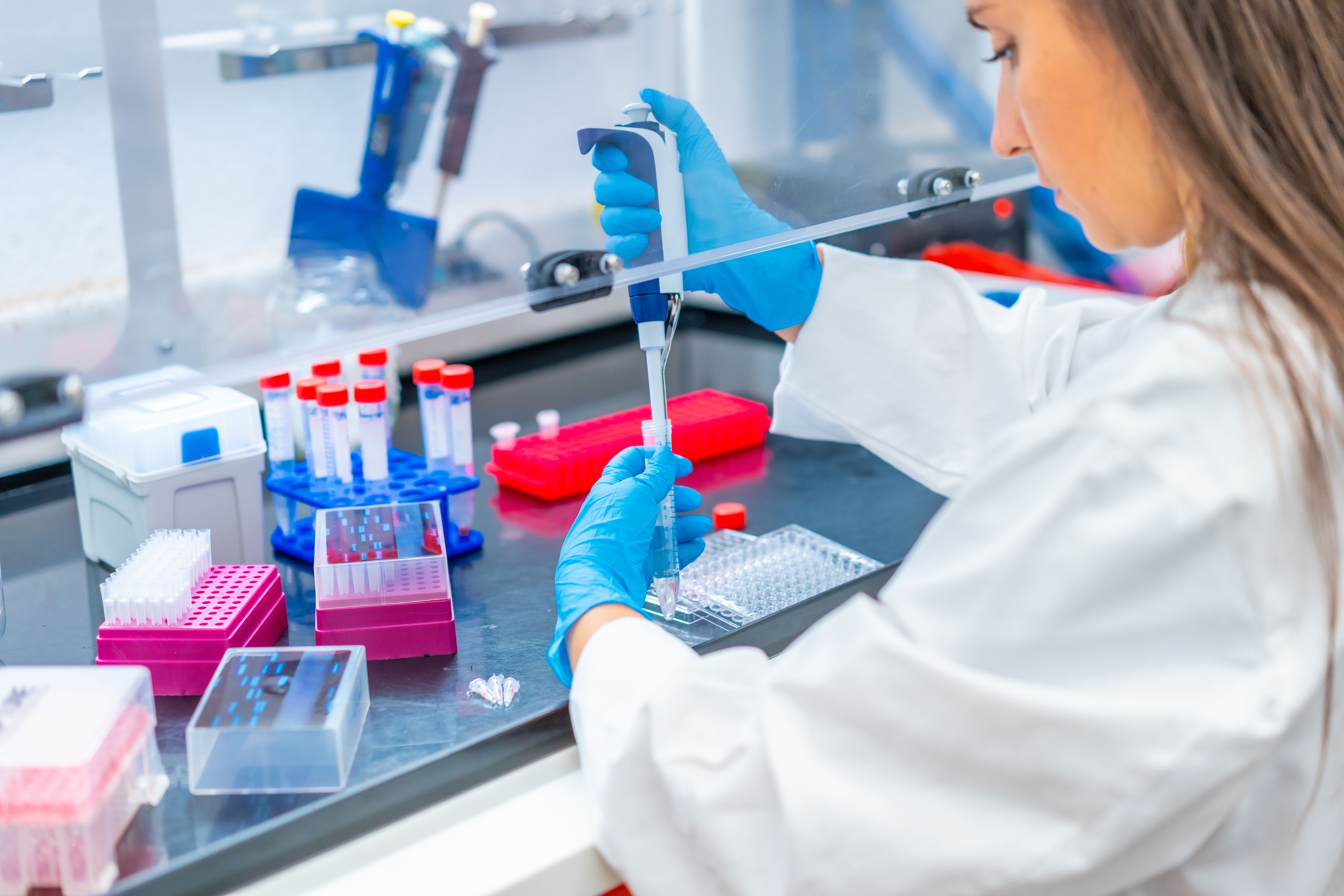
Genetic profiling has become a cornerstone of precision oncology. This process involves analyzing a patient's tumor DNA to identify specific mutations and biomarkers. By understanding the genetic makeup of a tumor, oncologists can select therapies that target the genetic abnormalities driving the cancer.
Recent advancements in next-generation sequencing (NGS) have made genetic profiling more accessible and cost-effective. As a result, more patients can benefit from treatments that are specifically designed to target their cancer's unique genetic profile.
Role of Artificial Intelligence in Cancer Treatment
Artificial intelligence (AI) is playing a crucial role in advancing precision oncology. AI algorithms can analyze vast amounts of data to identify patterns and predict how patients will respond to different treatments. This helps oncologists make more informed decisions about which therapies are likely to be most effective.
Moreover, AI is being used to develop new drugs and treatment strategies by simulating how cancer cells will react to various compounds. This accelerates the drug discovery process and brings innovative treatments to patients more quickly.

Emerging Trends in Immunotherapy
Immunotherapy is another key area within precision oncology that is gaining momentum. By harnessing the power of the body's immune system to fight cancer, immunotherapy offers a promising alternative to traditional treatments like chemotherapy and radiation.
Recent developments in this field include checkpoint inhibitors, CAR T-cell therapy, and cancer vaccines. These therapies have shown significant success in treating certain types of cancers, particularly those that do not respond well to conventional treatments.
Challenges and Opportunities
While precision oncology holds great promise, it also faces several challenges. One major issue is the complexity of cancer genomics, which requires sophisticated technology and expertise to interpret. Additionally, there is a need for more clinical trials to validate new treatments and ensure their safety and efficacy.
Despite these challenges, the opportunities are immense. As more data becomes available and technology continues to evolve, the potential for precision oncology to transform cancer care grows exponentially. Collaboration between researchers, clinicians, and technology developers will be essential in overcoming these hurdles and advancing the field.

The Future of Precision Oncology
The future of cancer care is undoubtedly bright with the advancements in precision oncology. As we continue to uncover new genetic insights and develop innovative technologies, personalized treatment options will become increasingly effective and accessible.
Patients can look forward to more targeted therapies with fewer side effects, leading to improved quality of life and better overall outcomes. The journey toward fully realizing the potential of precision oncology is ongoing, but the progress made so far offers hope for a future where cancer is no longer a formidable adversary.