Personalized Medicine in Oncology: Trends and Innovations


Introduction to Personalized Medicine in Oncology
Personalized medicine is revolutionizing the field of oncology by tailoring treatments to the unique genetic makeup of each patient. This approach contrasts with traditional methods that apply a one-size-fits-all strategy. By focusing on the genetic differences among individuals, oncologists can offer more effective and targeted therapies, improving patient outcomes.
In recent years, advancements in genomic research and technology have propelled personalized medicine to the forefront of cancer treatment. These innovations enable precise identification of genetic mutations and biomarkers that drive cancer growth.

Genomic Profiling: A Cornerstone of Personalized Oncology
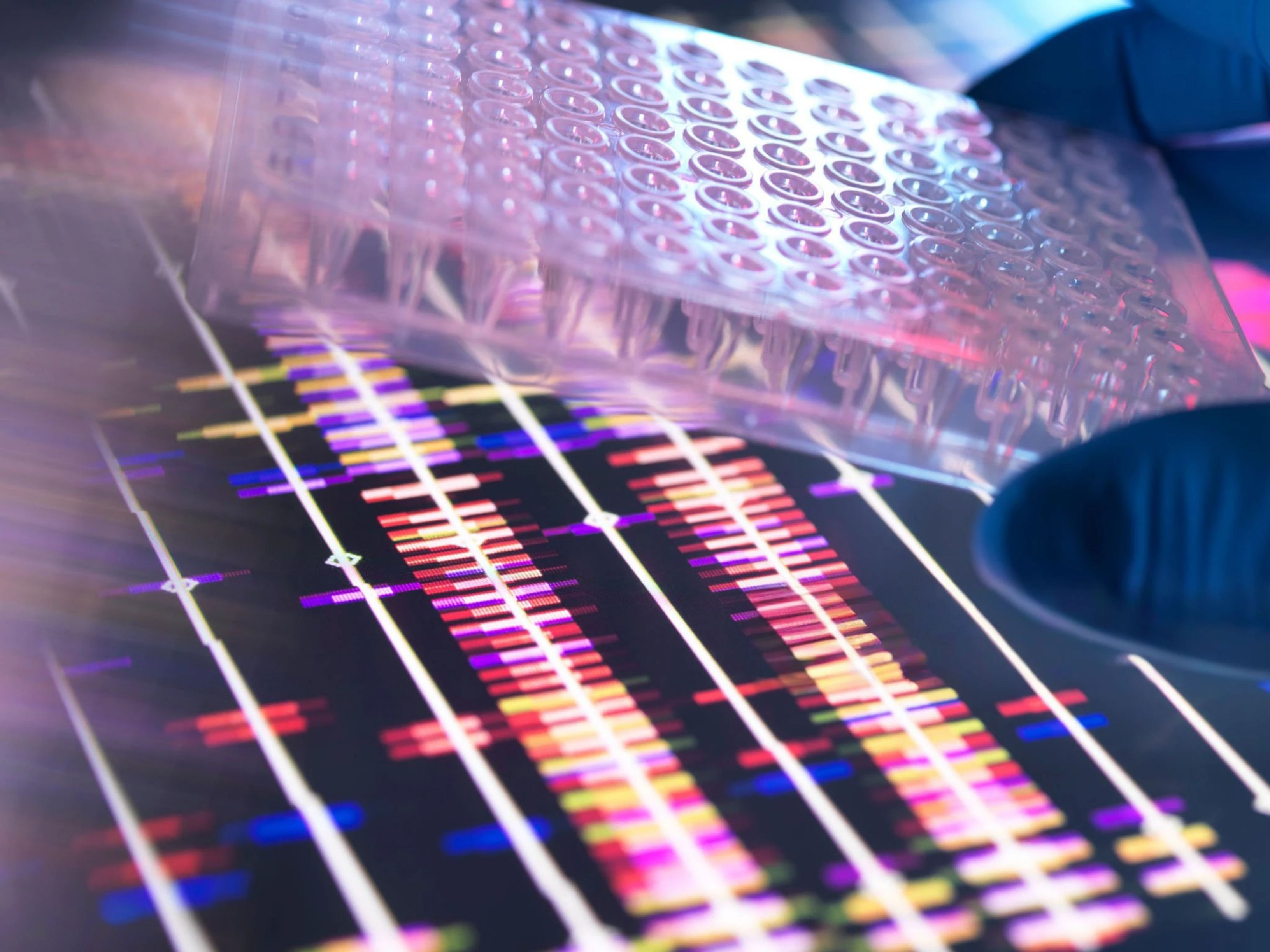
Genomic profiling is a critical component of personalized medicine, as it allows doctors to analyze the DNA of cancer cells. This process helps identify specific mutations responsible for cancer progression, enabling the selection of targeted therapies.
With the advent of next-generation sequencing (NGS), genomic profiling has become more accessible and affordable. NGS technology facilitates the rapid sequencing of large amounts of DNA, providing detailed insights into the genetic alterations present in tumors.
By understanding these genetic changes, oncologists can prescribe treatments that specifically target the mutations, minimizing side effects and enhancing treatment efficacy.
Targeted Therapies: Precision in Action
Targeted therapies are designed to interfere with specific molecules involved in cancer growth and progression. Unlike conventional chemotherapy, which affects both healthy and cancerous cells, targeted therapies aim to attack only the cancer cells.
These therapies have shown remarkable success in treating various types of cancers, including breast, lung, and colorectal cancers. By focusing on the molecular drivers of cancer, targeted treatments can lead to better outcomes and fewer adverse effects.
- Monoclonal Antibodies: These are engineered to recognize and bind to specific proteins on cancer cells, blocking their growth.
- Small Molecule Inhibitors: These target specific enzymes or proteins essential for cancer cell survival.
Immunotherapy: Harnessing the Power of the Immune System
Immunotherapy is another innovative approach in personalized oncology. It leverages the body's immune system to fight cancer by enhancing its ability to recognize and destroy cancer cells.
Checkpoint inhibitors, a type of immunotherapy, have transformed cancer treatment by preventing cancer cells from evading immune detection. They have been particularly effective in treating melanoma, lung cancer, and kidney cancer.
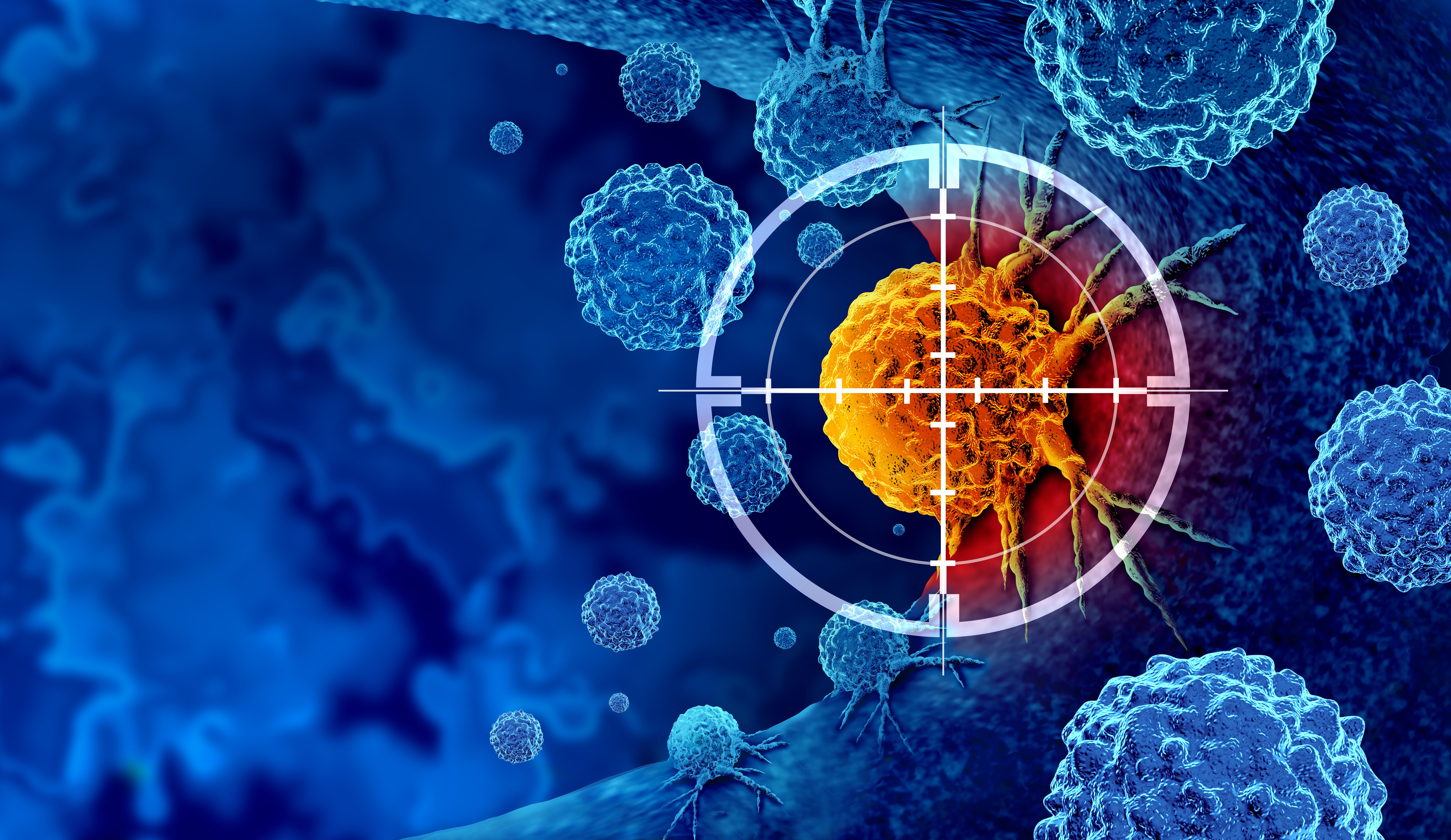
Adoptive cell transfer and cancer vaccines are other promising immunotherapy strategies, offering hope for patients with resistant or advanced-stage cancers.
Challenges and Future Directions
Despite the promising advancements, personalized medicine in oncology faces several challenges. The complexity of cancer genomes and the heterogeneity of tumors can complicate treatment strategies. Additionally, the high cost of personalized therapies may limit accessibility for some patients.
Nevertheless, ongoing research and technological innovations continue to address these challenges. The development of new biomarkers and combination therapies holds promise for overcoming resistance and improving patient outcomes.
As personalized medicine evolves, collaboration between researchers, clinicians, and healthcare providers will be essential to fully realize its potential in transforming cancer care.