Integrating Genomic Data into Precision Oncology: A Step-by-Step Guide


Integrating genomic data into precision oncology is a revolutionary approach that tailors cancer treatment to individual genetic profiles. This innovative method holds promise for more effective and personalized cancer care. Here, we outline a step-by-step guide to facilitate the integration of genomic data into clinical practice, thereby enhancing the precision of oncology treatments.
Understanding Genomic Data
Genomic data refers to the comprehensive information about an individual's DNA, including variations that may influence disease susceptibility and drug responses. In the context of oncology, this data can reveal mutations or alterations in cancer cells that can be targeted by specific therapies.
Before integrating genomic data, it is crucial to understand its types and sources. Genomic information can be obtained through various technologies such as whole-genome sequencing, exome sequencing, and targeted gene panels, each offering different insights into the genetic landscape of cancer.
Collecting and Analyzing Genomic Data
The first step in integrating genomic data is data collection. This involves obtaining DNA samples from patients, usually through blood or tissue biopsies. The samples are then processed to extract genomic information.
Once collected, the data undergoes bioinformatic analysis to identify genetic mutations and alterations. This analysis is crucial for determining which genetic factors are driving the cancer and which therapies might be most effective.
Interpreting Results
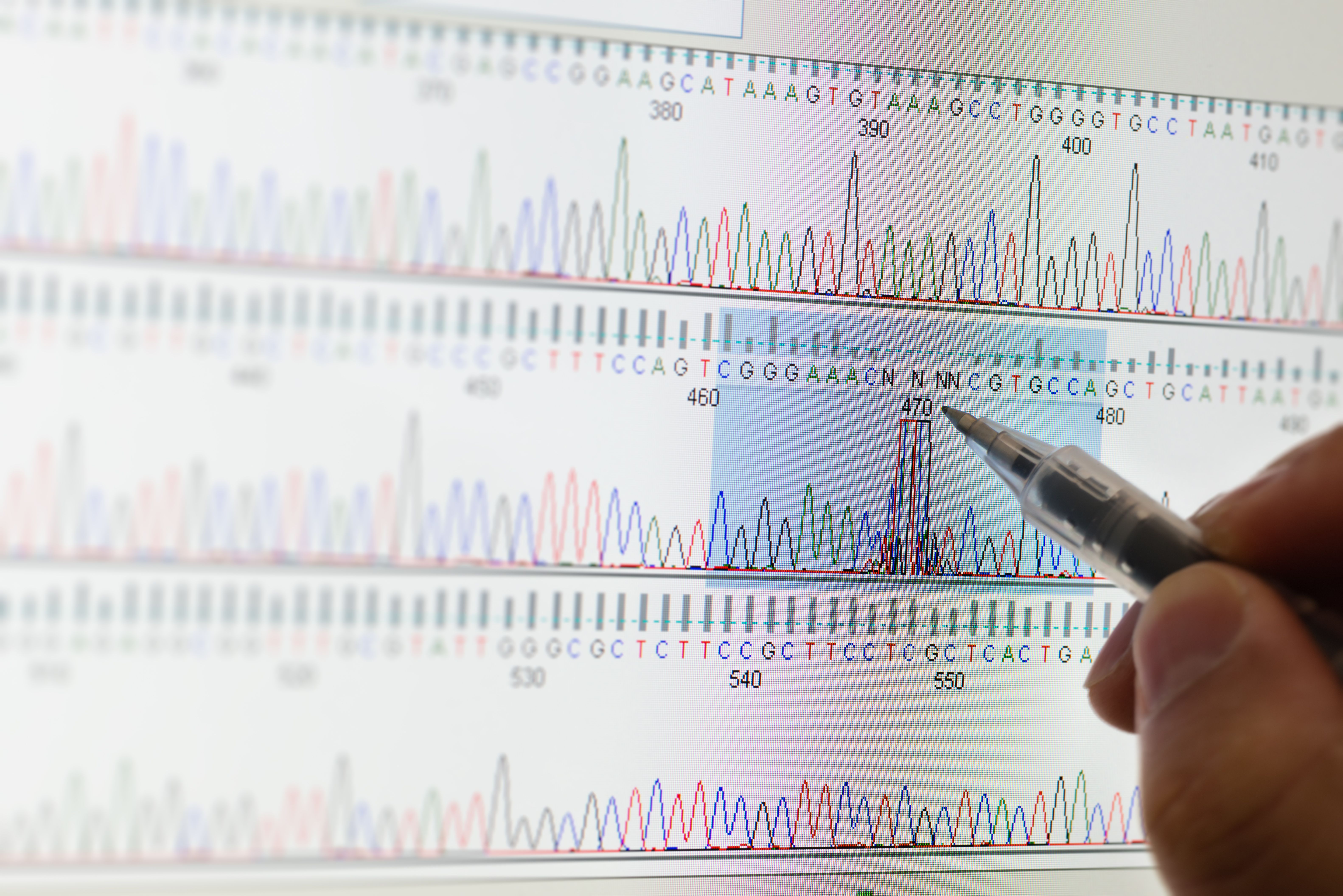
After analysis, the next step is the interpretation of results. This involves understanding how specific genetic mutations correlate with cancer types and treatment responses. Oncologists work closely with geneticists to elucidate these findings, providing a roadmap for personalized treatment plans.
Integrating Genomic Insights into Treatment Plans
Armed with genomic insights, oncologists can develop tailored treatment strategies. This may include choosing targeted therapies that specifically address the identified genetic mutations or considering immunotherapies that harness the body's immune system to fight cancer.
In some cases, genomic data might indicate the need for combination therapies to address multiple genetic pathways involved in the cancer's progression. The result is a more precise, effective treatment plan that increases the potential for successful outcomes.
Overcoming Challenges
Despite its potential, integrating genomic data into precision oncology comes with challenges. These include managing vast amounts of data, ensuring patient privacy, and keeping up with rapidly evolving technology and knowledge in genomics.
Healthcare providers must invest in robust data management systems and stay informed about advancements in genomic research. Additionally, continuous education and training are essential for medical professionals to effectively utilize genomic information in clinical practice.
The Future of Precision Oncology
The integration of genomic data into precision oncology represents a paradigm shift in cancer treatment. As technology advances and our understanding of genomics deepens, the potential for personalized cancer care will only grow.
Ultimately, this approach not only promises improved outcomes for patients but also paves the way for a more efficient healthcare system by reducing trial-and-error approaches and focusing on targeted treatments. By embracing this step-by-step guide, healthcare providers can unlock the full potential of precision oncology for their patients.