Improving Cancer Treatment Outcomes Through Data Integration


The Role of Data in Modern Cancer Treatment
In recent years, the integration of data has become a cornerstone in advancing cancer treatment outcomes. By harnessing vast amounts of information, healthcare providers can offer more precise and personalized care. This shift is transforming the landscape of oncology, paving the way for innovative approaches that improve patient survival rates and quality of life.
The ability to analyze and interpret complex data sets enables oncologists to tailor treatment plans to individual patients. By considering genetic information, medical history, and other relevant factors, doctors can devise strategies that are more effective and less invasive.
How Data Integration Enhances Treatment Precision
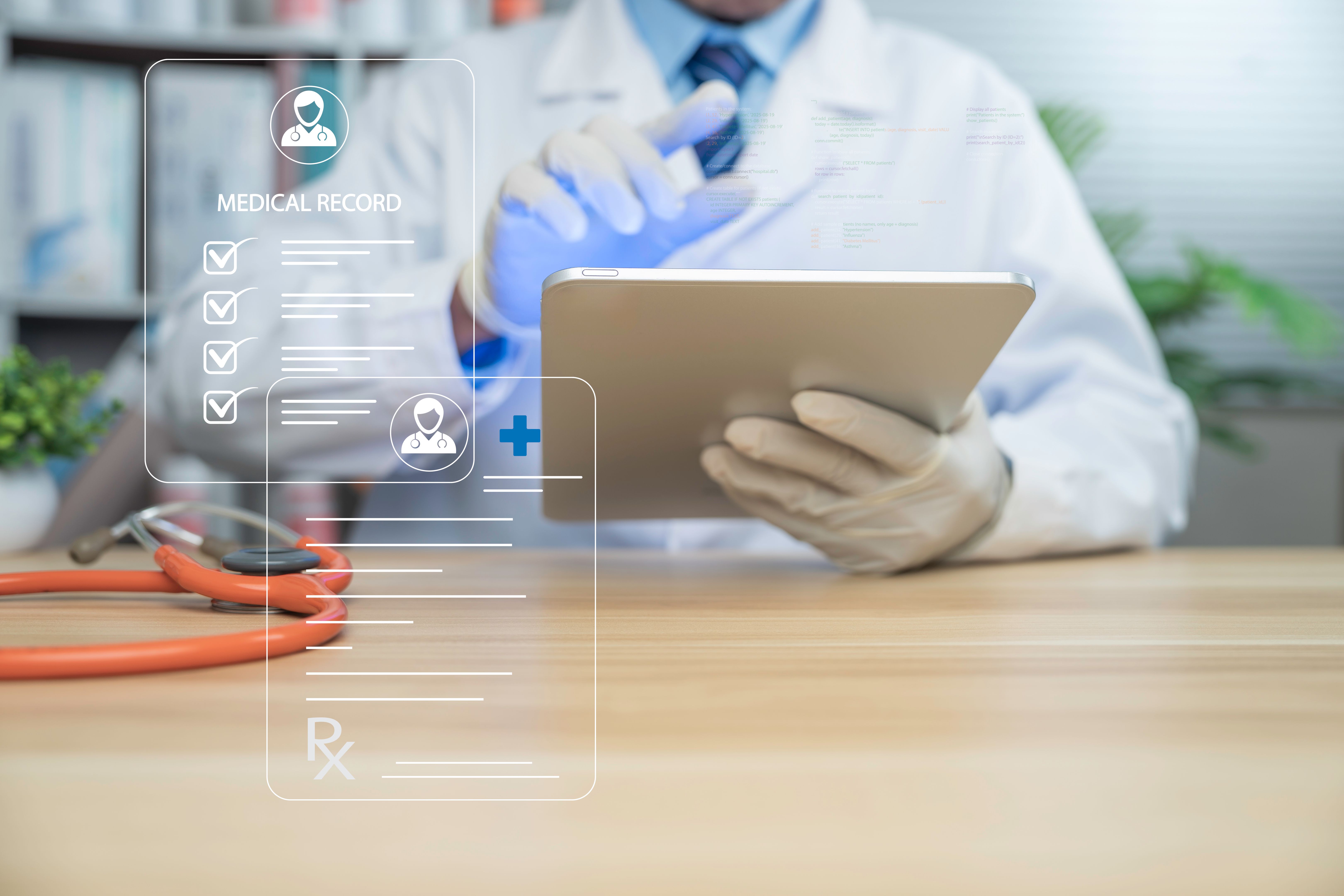
Data integration involves the seamless merging of information from various sources, such as electronic health records, genomic databases, and clinical trials. This comprehensive approach ensures that healthcare providers have access to the most up-to-date and relevant information when making treatment decisions.
One of the key advantages of data integration is the ability to identify patterns and correlations that may not be immediately apparent. By analyzing large data sets, researchers can uncover insights that lead to more effective treatment protocols and better patient outcomes.

Challenges in Data Integration
Despite its potential, data integration in cancer treatment faces several challenges. Ensuring data privacy and security is paramount, as sensitive patient information must be protected from unauthorized access. Additionally, the sheer volume of data can be overwhelming, requiring sophisticated tools and expertise to manage and interpret it effectively.
Interoperability between different systems and platforms is another hurdle. Collaborating across institutions and countries requires standardized data formats and protocols, which are not always in place.

The Future of Cancer Treatment
As technology continues to evolve, the integration of data in cancer treatment will become even more refined. Emerging fields like artificial intelligence and machine learning hold the promise of further enhancing our ability to predict and treat cancer. These technologies can analyze data at unprecedented speeds, offering new insights and accelerating the development of novel therapies.
The future of oncology lies in these advancements, where data-driven approaches will lead to more personalized, effective, and less invasive treatments. Patients will benefit from therapies that are tailored to their unique genetic makeup and medical history, resulting in better outcomes and improved quality of life.

Conclusion
Improving cancer treatment outcomes through data integration is not just a possibility—it's a necessity. By embracing this approach, the medical community can unlock new opportunities in the fight against cancer. As we continue to refine our ability to analyze and interpret data, the potential for groundbreaking discoveries and enhanced patient care becomes ever more attainable.