How to Optimize Cancer Treatment Decisions Using Evidence Dashboards


Understanding Evidence Dashboards
In the realm of cancer treatment, making informed decisions is crucial. Evidence dashboards have emerged as powerful tools to help healthcare professionals and patients navigate the complex landscape of treatment options. These dashboards compile data from numerous studies, presenting it in a user-friendly format that makes it easier to understand the potential benefits and risks of different treatment pathways.
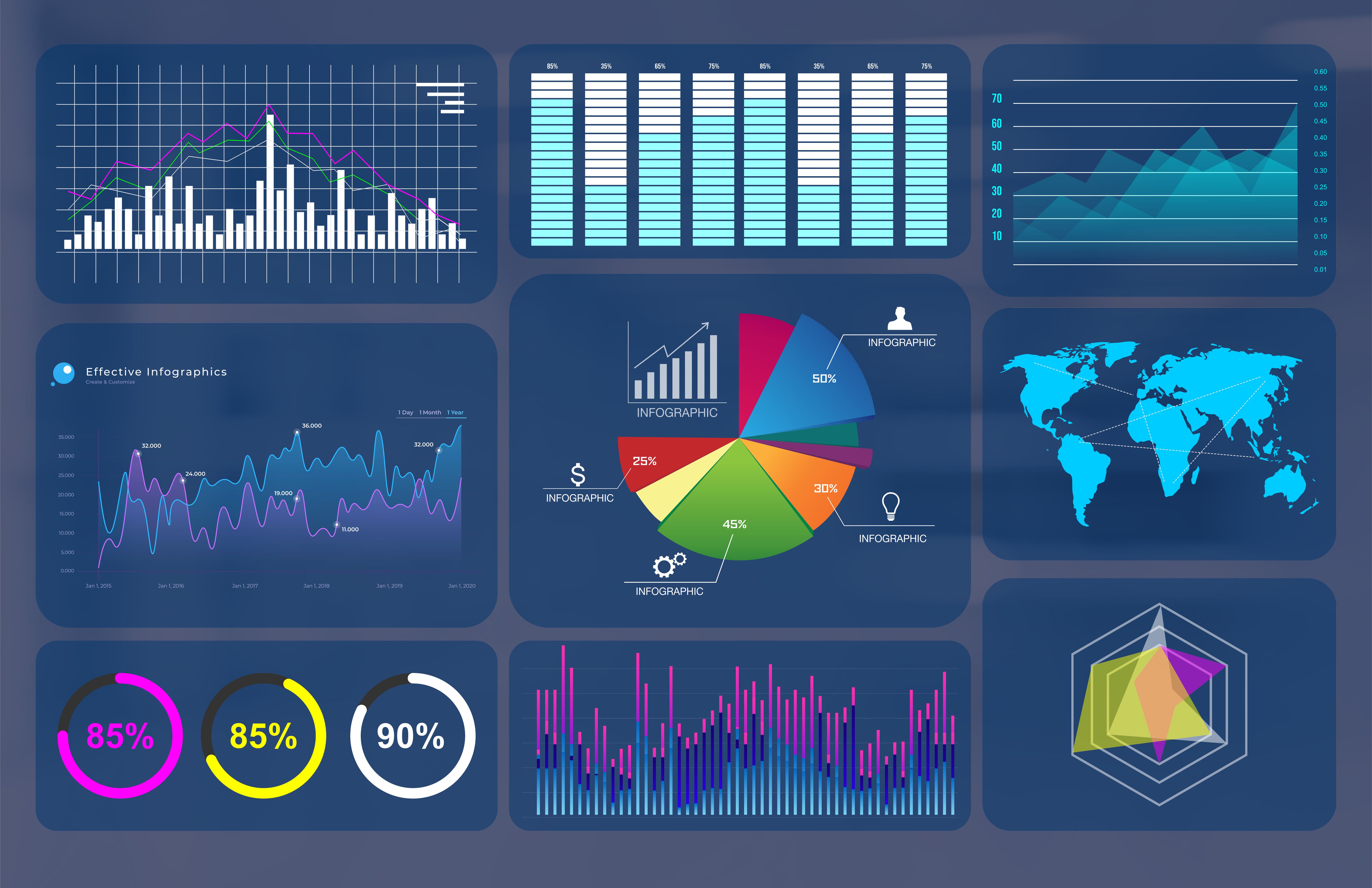
Evidence dashboards are designed to visually display data, allowing users to quickly grasp large amounts of information. They often include interactive elements that enable users to explore different scenarios and outcomes based on the latest research.
The Role of Data in Cancer Treatment
Cancer treatment decisions are complex, involving multiple factors such as the type and stage of cancer, patient health, and available therapies. Evidence dashboards streamline this process by integrating data from clinical trials, patient registries, and other sources into a cohesive format. This comprehensive view helps oncologists tailor treatments more effectively to individual patient needs.
Moreover, these dashboards support a personalized approach to cancer care by highlighting evidence-based options that align with a patient's unique circumstances. By using real-time data, healthcare providers can stay abreast of the latest advancements and adjust strategies accordingly.
Features of an Effective Evidence Dashboard
An effective evidence dashboard should be intuitive and easy to navigate. Key features might include:
- Interactive Graphs: Visual representations that allow users to delve into specific datasets.
- Comparative Analysis: Tools to compare various treatment outcomes side by side.
- Real-Time Updates: Integration of the latest research findings for up-to-date decision-making.

Benefits for Healthcare Providers and Patients
For healthcare providers, evidence dashboards offer a streamlined method for evaluating treatment options. This ease of access to comprehensive data leads to more efficient consultations and improved decision-making processes. Clinicians can use these insights to discuss potential treatments with their patients more effectively, ensuring that they understand all possible outcomes and implications.
Patients also benefit significantly from evidence dashboards. With clearer presentations of their options, patients are better equipped to participate in their treatment plans actively. This collaborative approach can lead to increased satisfaction and better adherence to chosen therapies.
Implementing Evidence Dashboards in Clinical Practice
Integrating evidence dashboards into clinical practice requires careful planning and training. Healthcare facilities need to ensure that their staff are familiar with the technology and can interpret the data correctly. Additionally, consistent updates and maintenance of the dashboard are essential to keep the information relevant and reliable.

Overcoming Challenges
While evidence dashboards offer numerous benefits, they also present challenges. Ensuring data accuracy and protecting patient privacy are critical concerns that must be addressed. Additionally, there is a need for standardization across platforms to ensure consistency in data presentation and usability.
Another challenge is the potential for information overload. With so much data available, it is vital for dashboards to filter and highlight the most pertinent information, allowing users to focus on what matters most for each individual case.
The Future of Evidence Dashboards in Cancer Treatment
The future of cancer treatment decisions is undoubtedly leaning towards more data-driven approaches. As technology continues to advance, evidence dashboards will become even more sophisticated, incorporating artificial intelligence and machine learning to offer predictive analytics. This progress will further enhance personalized medicine, offering hope for more effective cancer treatments tailored to each patient's needs.
Ultimately, as these tools evolve, they hold the promise of transforming cancer care by empowering both healthcare providers and patients with the information needed to make the best possible treatment decisions.