How Precision Oncology Platforms are Revolutionizing Cancer Treatment


Understanding Precision Oncology
In recent years, the field of oncology has witnessed groundbreaking advancements, with precision oncology platforms at the forefront of this revolution. These platforms are transforming cancer treatment by tailoring therapies to the genetic makeup of individual patients' tumors, promising more effective and targeted interventions.
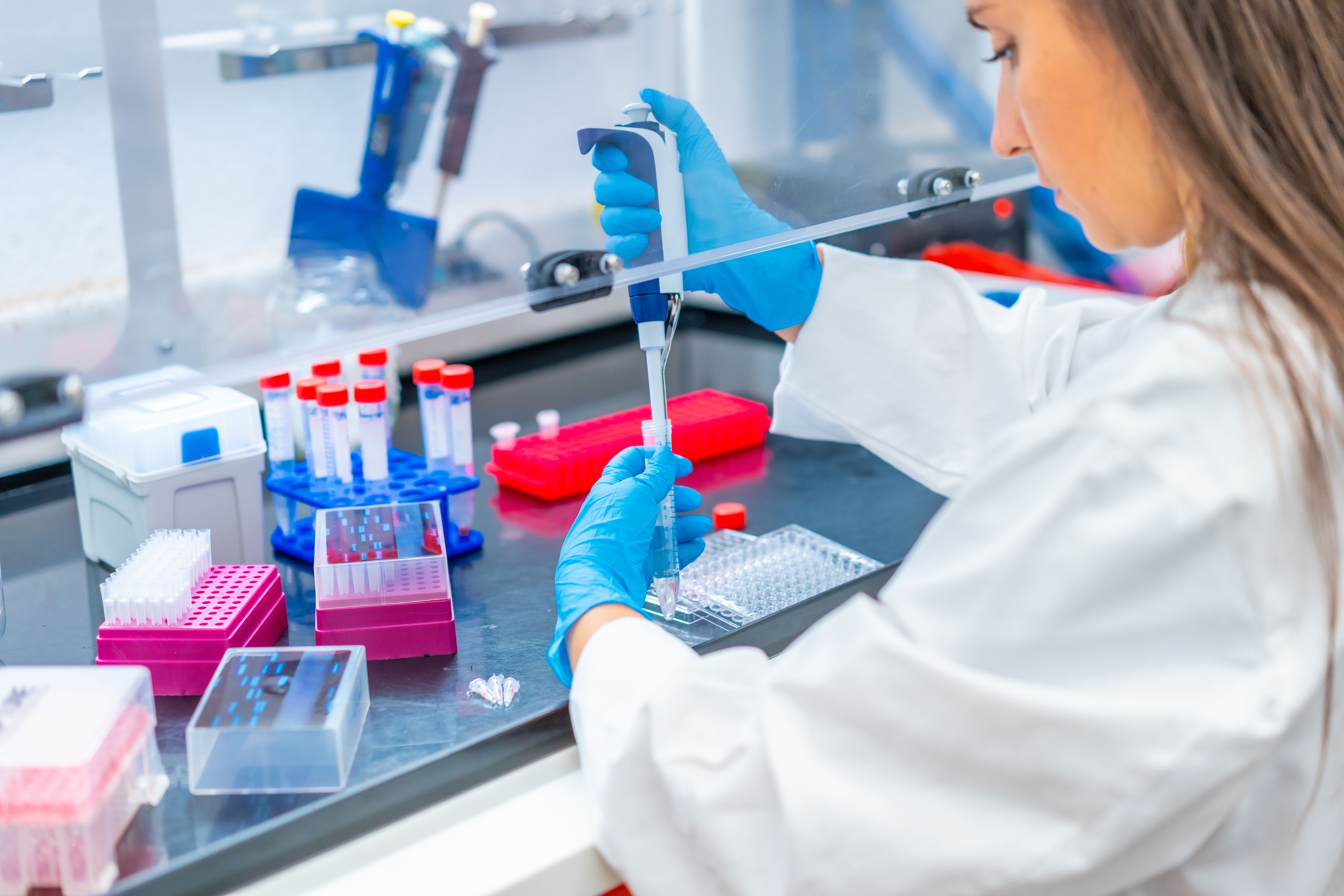
The Science Behind Precision Oncology
Precision oncology relies on the understanding that each cancer case is unique, driven by specific genetic mutations. By sequencing a patient's tumor DNA, clinicians can identify these mutations and select treatments that specifically target them. This approach contrasts with traditional methods, which often involve a one-size-fits-all strategy.
Key technologies enabling precision oncology include next-generation sequencing (NGS) and bioinformatics platforms. These tools allow for comprehensive genetic analyses, providing clinicians with a detailed map of a tumor's genetic landscape.
Benefits of Precision Oncology Platforms
The benefits of precision oncology are profound and multifaceted. Firstly, patients receive treatments that are more likely to be effective because they directly target the molecular abnormalities driving their cancer. This leads to better outcomes and often fewer side effects.

Moreover, precision platforms facilitate the discovery of novel biomarkers, which are crucial for predicting disease progression and response to therapy. Additionally, these platforms support the development of personalized treatment plans, improving overall patient care and satisfaction.
Challenges in Implementation
Despite its potential, precision oncology faces several challenges. One major hurdle is the high cost associated with genetic testing and data analysis. Ensuring that these technologies are accessible to all patients, regardless of socioeconomic status, remains a significant concern.

Another challenge lies in the complexity of cancer genetics. The vast amount of data generated by sequencing requires sophisticated computational tools to interpret, necessitating ongoing advancements in bioinformatics and data management.
The Future of Cancer Treatment
The future of cancer treatment is undeniably intertwined with precision oncology. As technology continues to advance, we can expect even more precise and personalized therapeutic options. Researchers are exploring the integration of artificial intelligence with precision platforms to enhance data analysis and predictive modeling.
Furthermore, collaborations between academic institutions, healthcare providers, and biopharmaceutical companies are driving innovation, accelerating the development and approval of new targeted therapies.
Conclusion
Precision oncology platforms have already begun to revolutionize cancer treatment, offering hope to millions of patients worldwide. By embracing these technologies and addressing the challenges they present, the medical community can continue to improve outcomes and transform the landscape of cancer care.
The journey towards fully realizing the potential of precision oncology is ongoing, but the impact it has already had on patient care is undeniably transformative. As we look to the future, continued investment in research and technology will be crucial in bringing personalized cancer treatment to all who need it.