Emerging Technologies in Cancer Treatment: A Look at the Latest Innovations


Introduction to Emerging Technologies in Cancer Treatment
Cancer treatment has evolved significantly over the past few decades, with emerging technologies offering new hope for patients. The integration of cutting-edge innovations is transforming how we understand, diagnose, and treat various forms of cancer. These advancements are not only improving survival rates but also enhancing the quality of life for many patients.
Immunotherapy: Harnessing the Body’s Defense System
Immunotherapy is one of the most promising areas in cancer treatment. By leveraging the body's immune system, immunotherapy aims to identify and attack cancer cells more effectively. This approach includes several strategies, such as checkpoint inhibitors, CAR T-cell therapy, and cancer vaccines. The ability to tailor these treatments to individual patients is a major breakthrough in personalized medicine.
Precision Medicine: Targeted Treatments
Precision medicine involves tailoring treatments based on the genetic makeup of an individual's cancer. By understanding the genetic mutations driving a specific cancer, doctors can prescribe targeted therapies that directly address these abnormalities. This personalized approach not only increases the effectiveness of treatment but also minimizes harmful side effects.

Innovations in Early Detection and Diagnosis
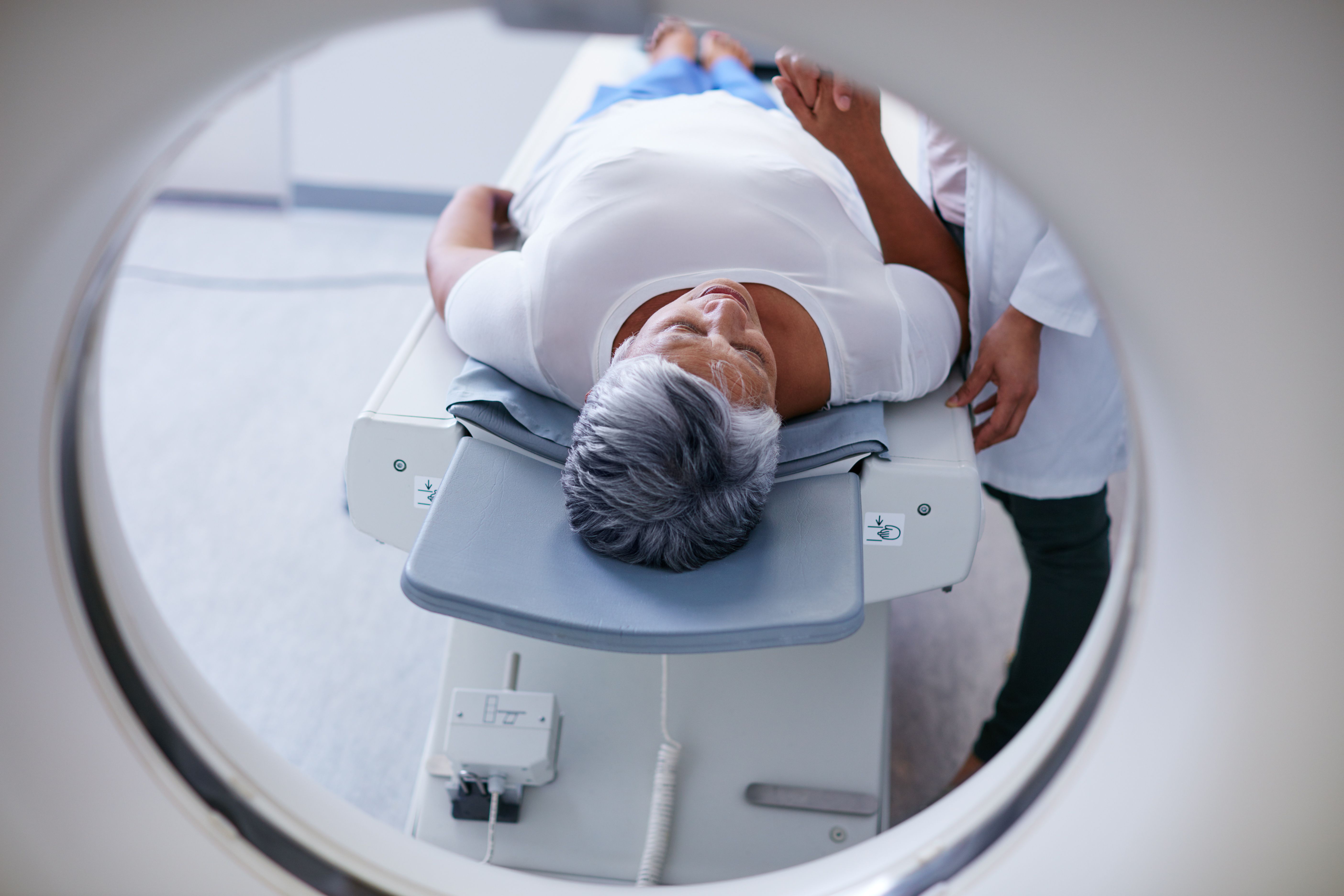
Early detection is crucial in improving cancer treatment outcomes. Recent advancements in diagnostic technologies, such as liquid biopsies and advanced imaging techniques, are enabling earlier and more accurate detection of cancer. These innovations allow for timely interventions, significantly increasing the chances of successful treatment.
Artificial Intelligence in Cancer Research
Artificial intelligence (AI) is revolutionizing cancer research by analyzing vast amounts of data to identify patterns and potential treatments. AI algorithms can process complex medical data at an unprecedented speed, helping researchers develop new drugs and optimize treatment plans. The integration of AI in cancer care is paving the way for more efficient and effective treatment strategies.

Advancements in Radiation Therapy
Radiation therapy remains a cornerstone of cancer treatment, and recent technological advancements are making it more precise and less harmful to surrounding healthy tissues. Techniques such as proton therapy and stereotactic radiosurgery offer targeted approaches that reduce side effects and improve treatment outcomes.
The Role of Nanotechnology
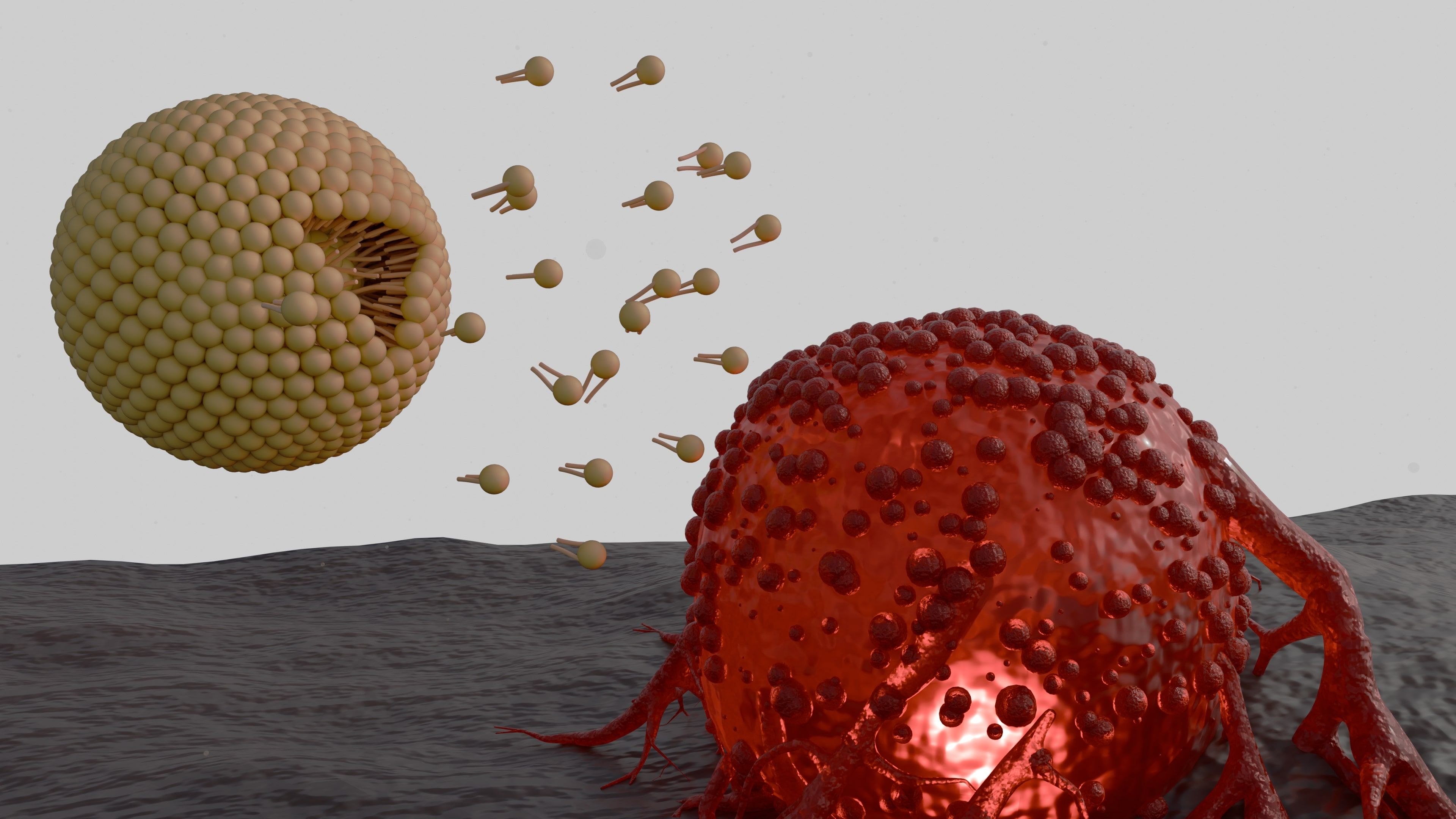
Nanotechnology is emerging as a powerful tool in cancer treatment. By delivering drugs directly to cancer cells, nanotechnology minimizes damage to healthy cells and enhances the effectiveness of chemotherapy. This innovative approach is expected to lead to more successful outcomes and fewer side effects for patients.
Conclusion: The Future of Cancer Treatment
The landscape of cancer treatment is rapidly evolving, with emerging technologies offering new hope and possibilities. These innovations not only aim to improve survival rates but also focus on enhancing the quality of life for cancer patients. As research continues to advance, the future of cancer treatment looks promising, with the potential for even more groundbreaking discoveries on the horizon.